
The concrete king — introduction and timeline
Stockholm has Carl Gustaf,
Stavanger has Gullfaks C.

These three kings all have predecessors on pedestals, and from the very first
they were destined for important public tasks. But only one of them has left a
record-breaking mark on the continental shelf thanks to its unique combination
of mobility and mass.
In that sense, Gullfaks C is king of kings.
At production start in 1989, Gullfaks C was first, heaviest and tallest in
key areas within the Condeep universe. And as for the rest of the universe, the
platform was by far the heaviest object ever moved by humans.
But setting a record is one thing. Setting a record that endures is another.
Gullfaks C weighed 1.5 million tonnes when it was towed out to the field in
1989. That record has stood ever since—and no one is likely to move anything
heavier anytime soon.
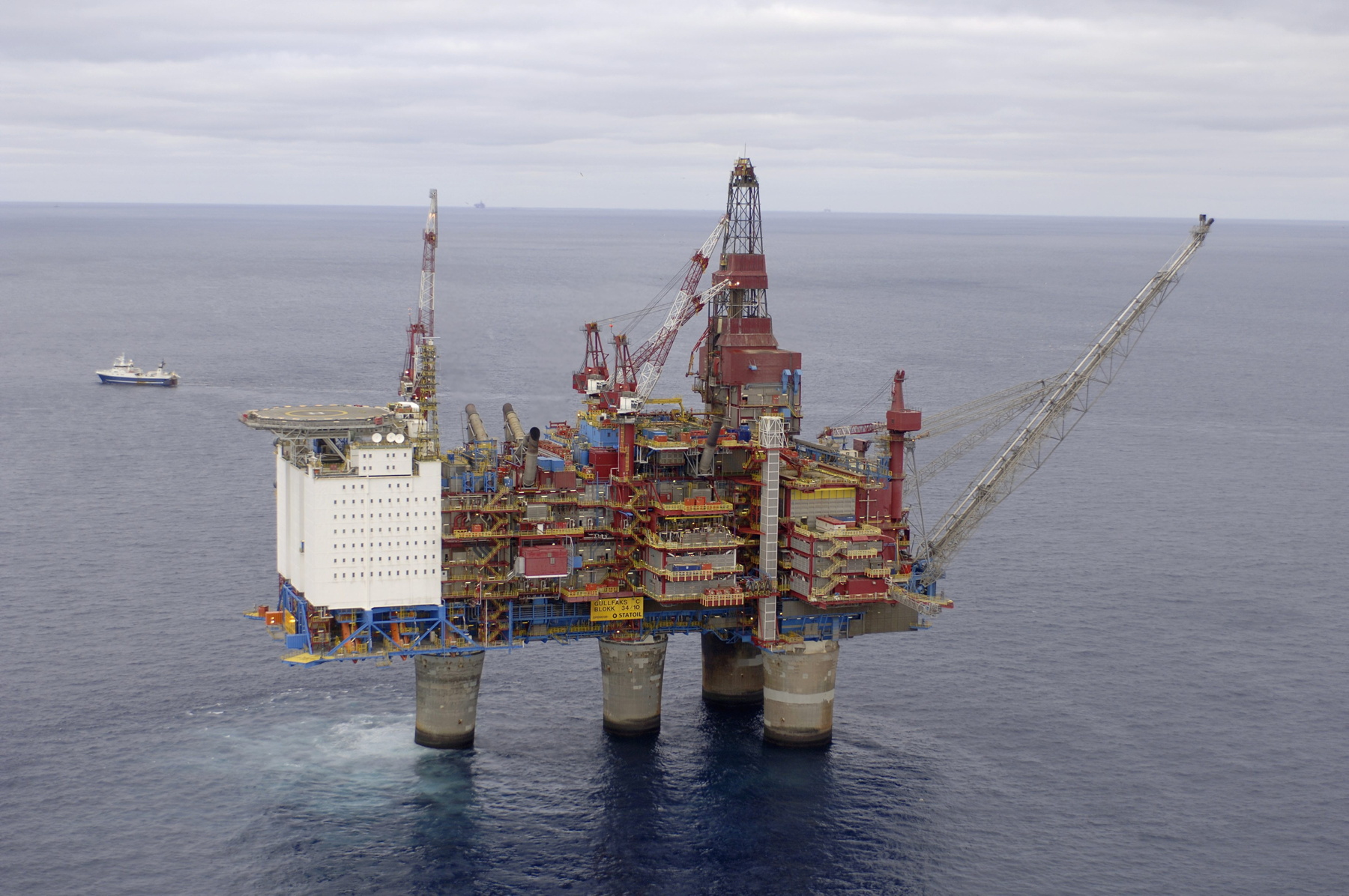
Here follows the story of this unique structure:
Building the base section
The tow from Gandsfjorden to Vats
Slipforming and mechanical outfitting
The tow from Vats to Stord The Gullfaks C mating Constructing the topside
The tow from Stord to the field
Offshore commissioning Production start
Timeline — Gullfaks C
A) Concrete substructure[REMOVE]Fotnote: The numerical data is partly sourced from Hansen, Thorvald Buch et al. (1990). Gullfaks – Glimpses from the History of a Fully Norwegian Oil Field. Stavanger: Statoil, pp. 55, 86 and 110.
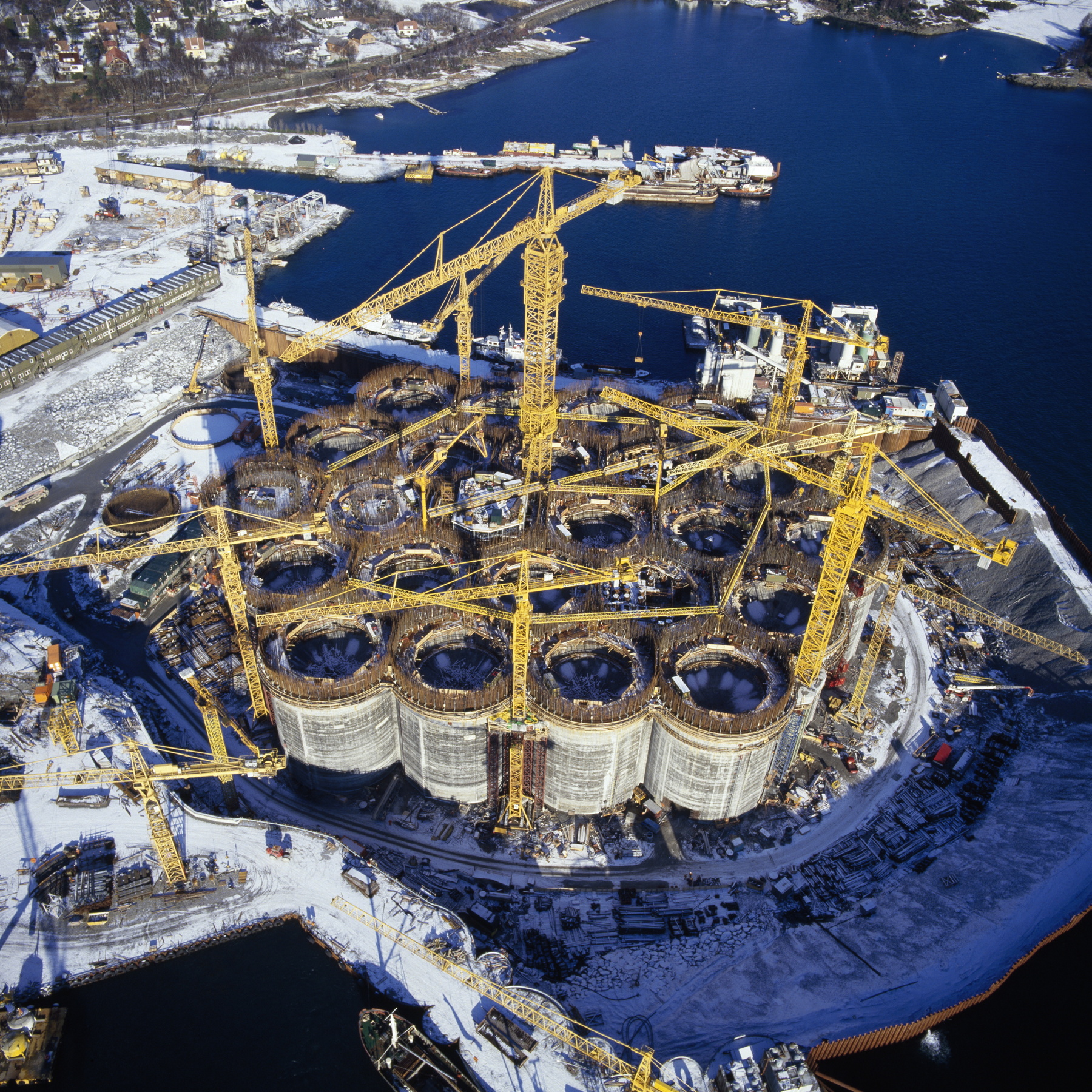
1986 (winter): Start of construction, base section,
Hinna/Jåttåvågen
1986 (late February): Contract signed between Statoil [now Equinor] and
NC (Norwegian Contractors)[REMOVE]Fotnote: Construction began before the formal contract was signed.
1987 (25–26 May): Tow from Gandsfjorden to Vats
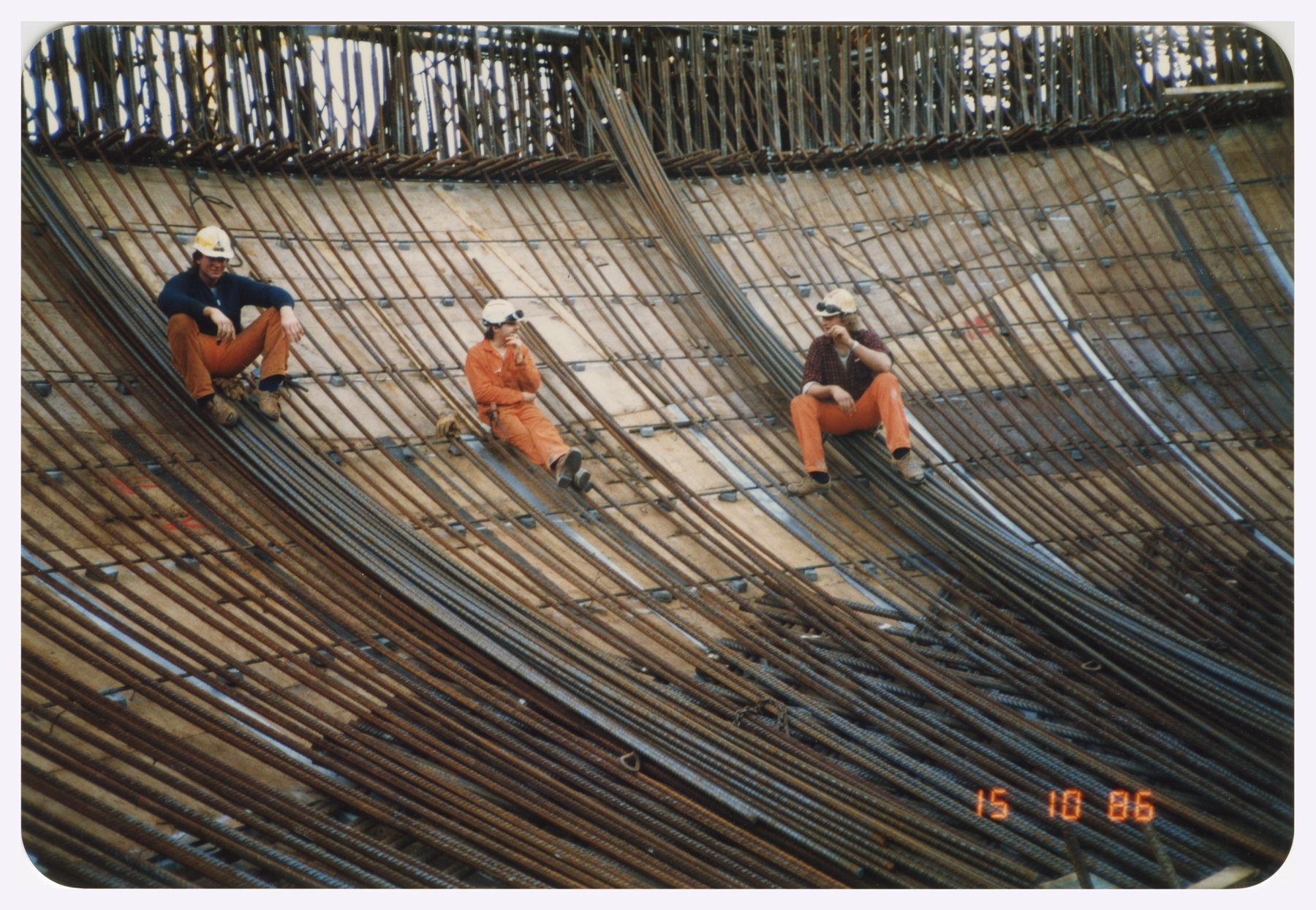
1987 (July–August): Main slipforming (24 cells — height 56 meters)
1987 (September–January 1988): Casting of the cell roofs
1988 (17 February–approximately 20 April): Shaft slipforming (four shafts —
height 165 meters)
1988 (30 December–3 January 1989): Tow Vats–Digernessundet, Stord
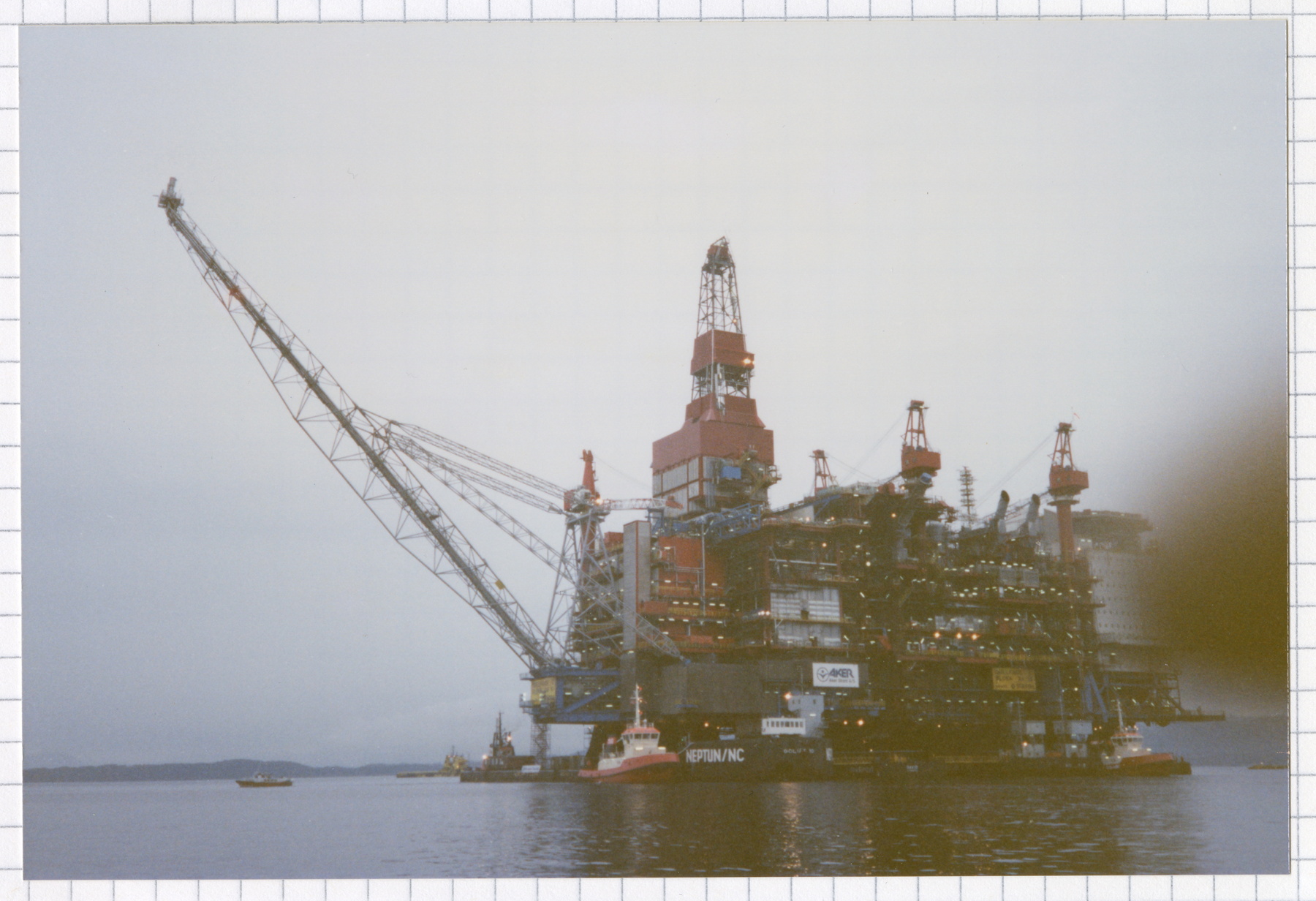
1989 (27 February): Mated to the steel topside in Digernessundet
B) Steel topside[REMOVE]Fotnote: Much of the information is sourced from Resser, Tor (26 April 1989). “Offshore Work Strategically Important.” In: Sunnhordland, 26 April 1989, p. 5.
1986 (11 September): Statoil awards the contract to Aker Stord
1986 (5 October): Production starts in the plate shop
1987 (13 February): Work in the dock begins
1987 (26 June): Half of the topside’s Module Support Frame (MSF) arrives at Aker Stord from Aker Verdal
1988 (17–22 March): 21 modules are installed on the topside’s MSF
1989 (27 February): Mated to the concrete substructure in Digernessundet
C) The platform
1989 (12 April): Naming ceremony
1989 (2 May): Tow-out to the field begins
1989 (8 May): Set-down on the field begins
1989 (6 July): Conductor driving
1989 (1 October): Start of drilling
1989 (4 November): Start of production (oil from GFB)
1989 (18 December): Formal marking of production start
1990 (8 January): First well tied into the processing system on Gullfaks C
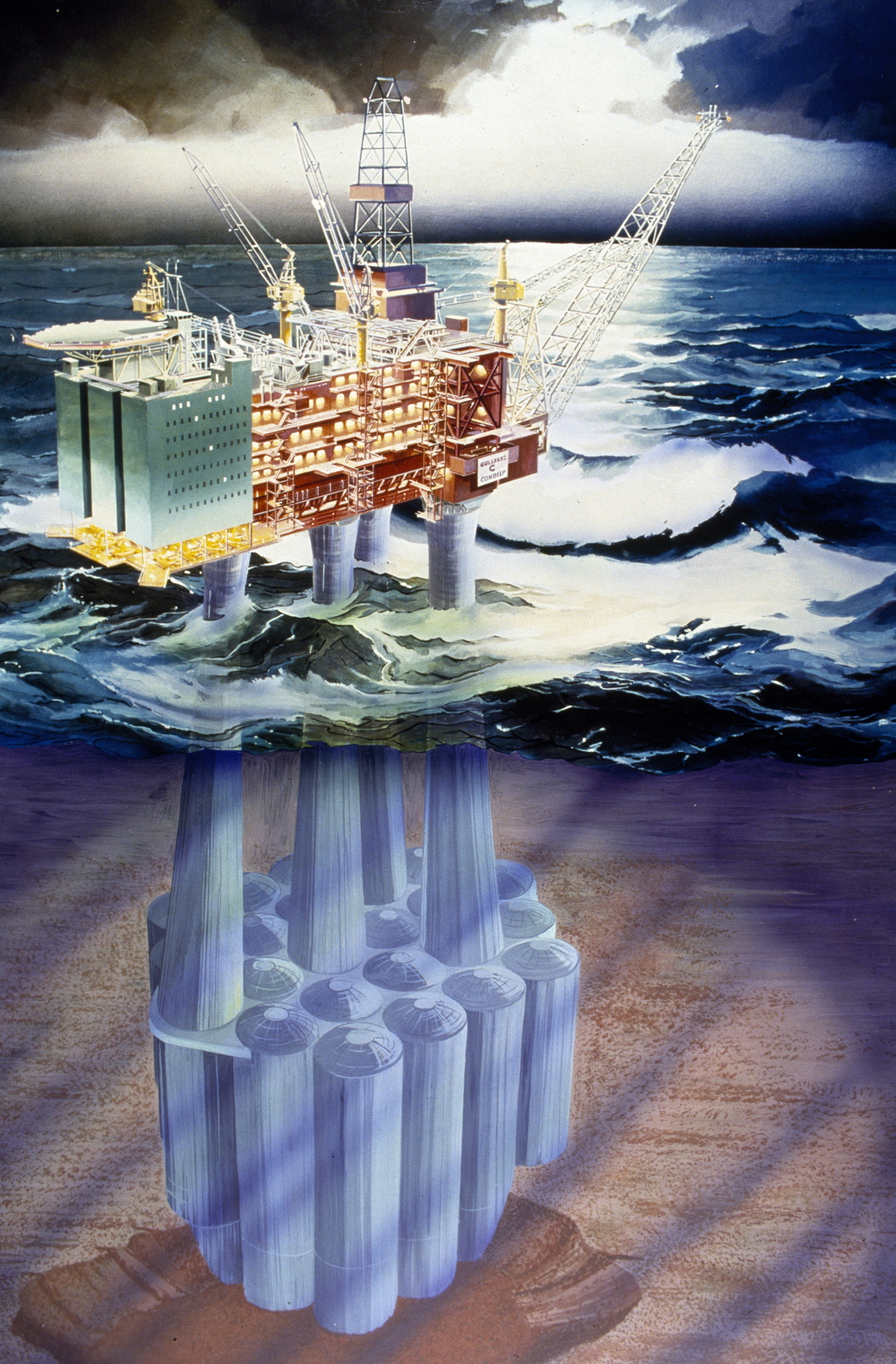
Facts
Substructure weight: approximately 1,500,000 tonnes (of this around 70,000
tonnes of reinforcing steel)
Topside weight: approximately 50,000 tonnes
Footprint: approximately 16,000 m² (≈ 1.6 hectares)
Total height: 380 meters (substructure 262 meters + topside) (GFA/GFB: 270/220
meters total height)
Water depth: 216 meters
Beds: 330 (220 single cabins, 55 double cabins)[REMOVE]Fotnote: Resser, Tor (25 April 1989). “The Giant at 34/10.” In: Sunnhordland,
25 April 1989, p. 7.
Production capacity: 245,000 barrels per day
Storage capacity: 275,000 m³ (2 million barrels)