
 The Gullfaks Field
In 1978, block 34/10 was declared commercially viable. The field, which was later named Gullfaks, became the first entirely Norwegian oil field. Statoil, later Equinor, has been the operator of the field from the start. Learn more about the field’s history.
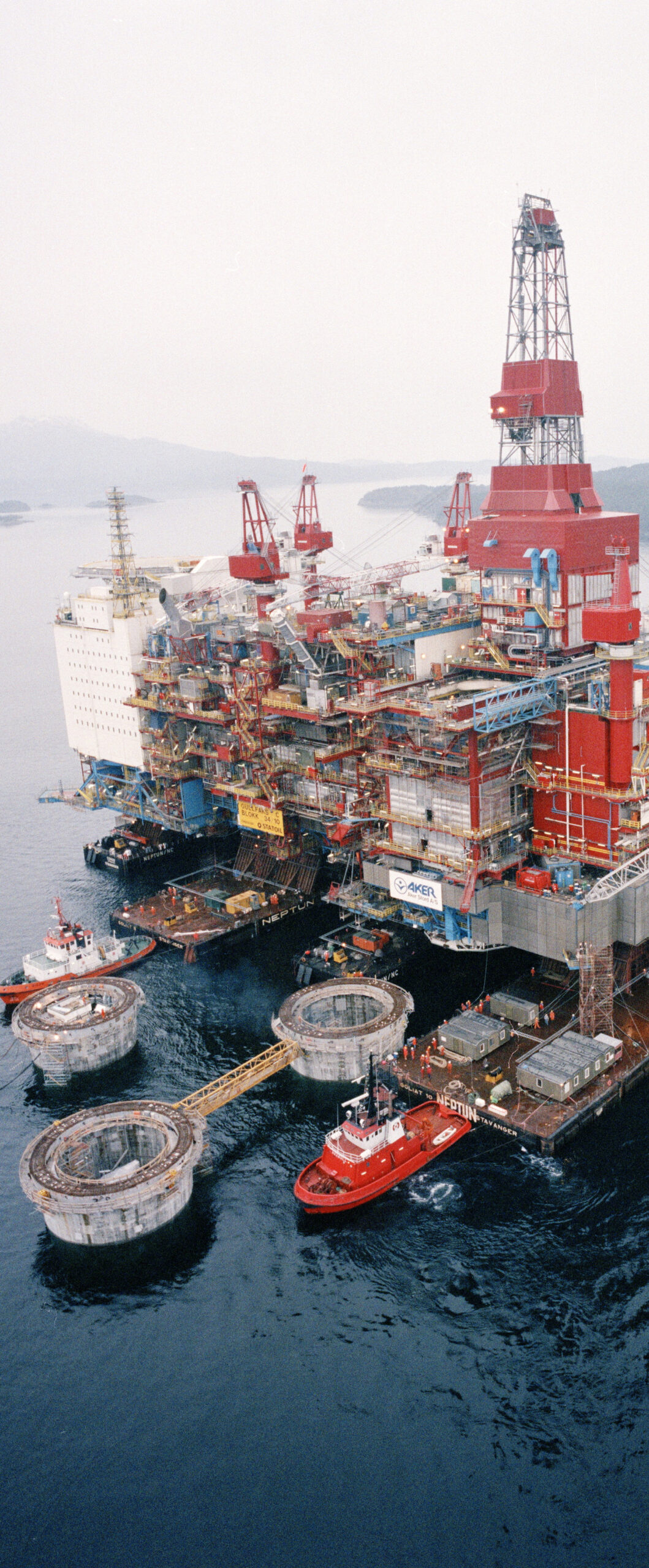
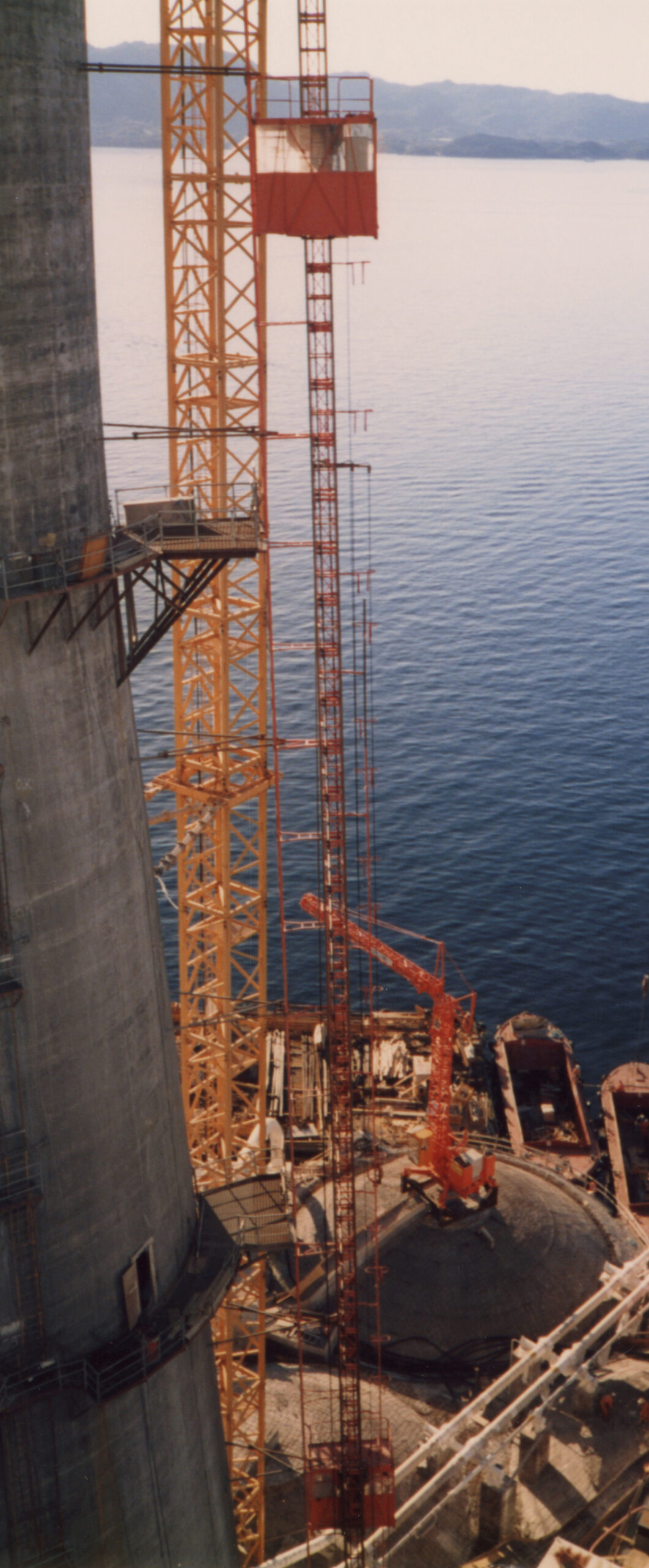
Platform construction
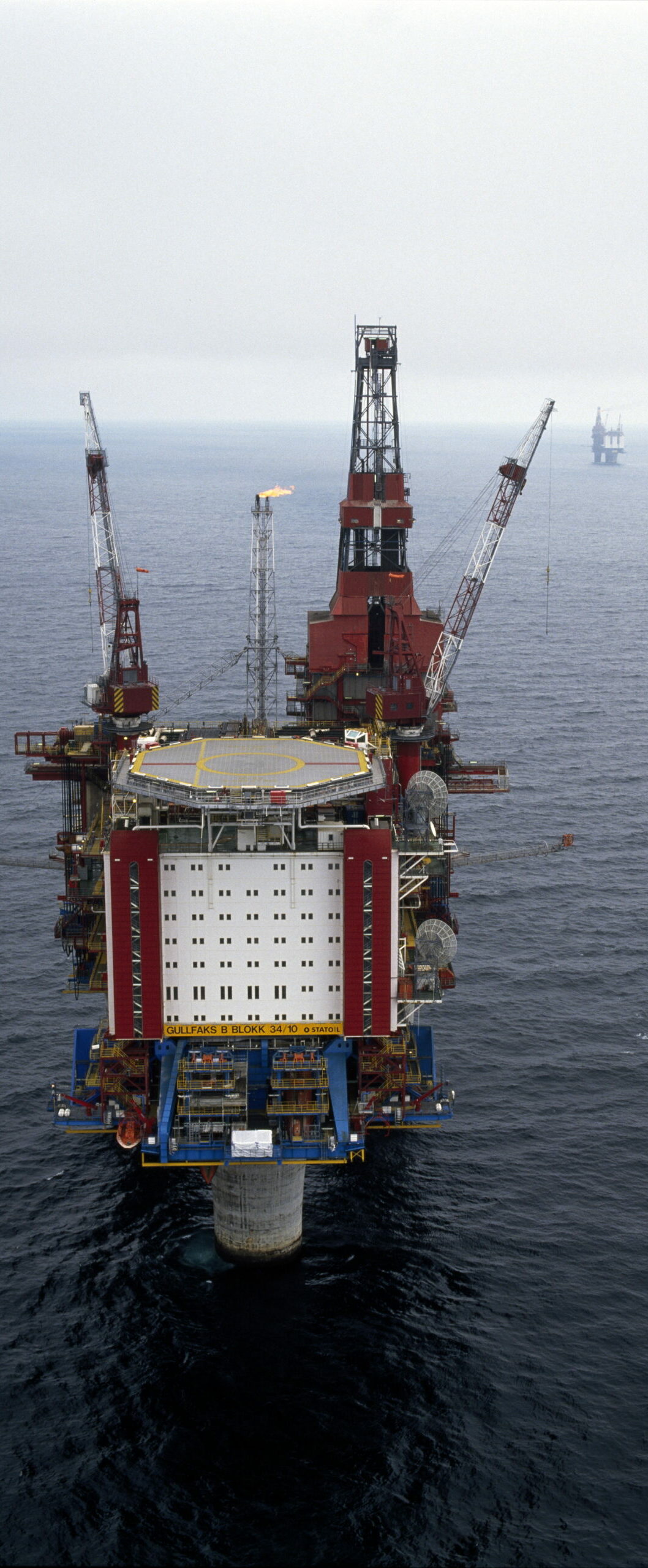
02/02/1983Between 1983 and 1989, the three concrete platforms Gullfaks A, B, and C were built and put into production.
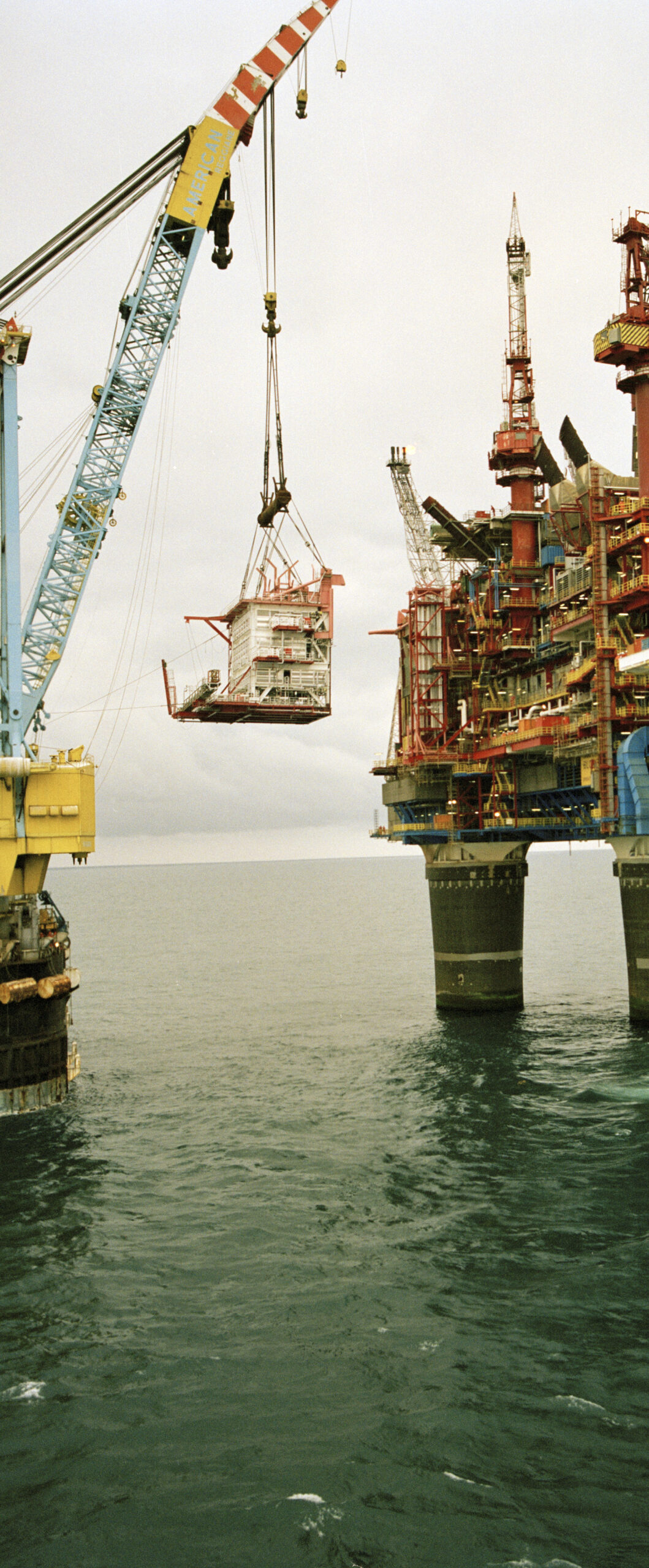
Further development
01/01/1990The 1990s were the decade when Gullfaks field set its production record. It was also the decade when the Gullfaks platforms for the first time received oil and gas from other fields. This solution ensured economically profitable development of new fields and continued profitable operation of the Gullfaks platforms.
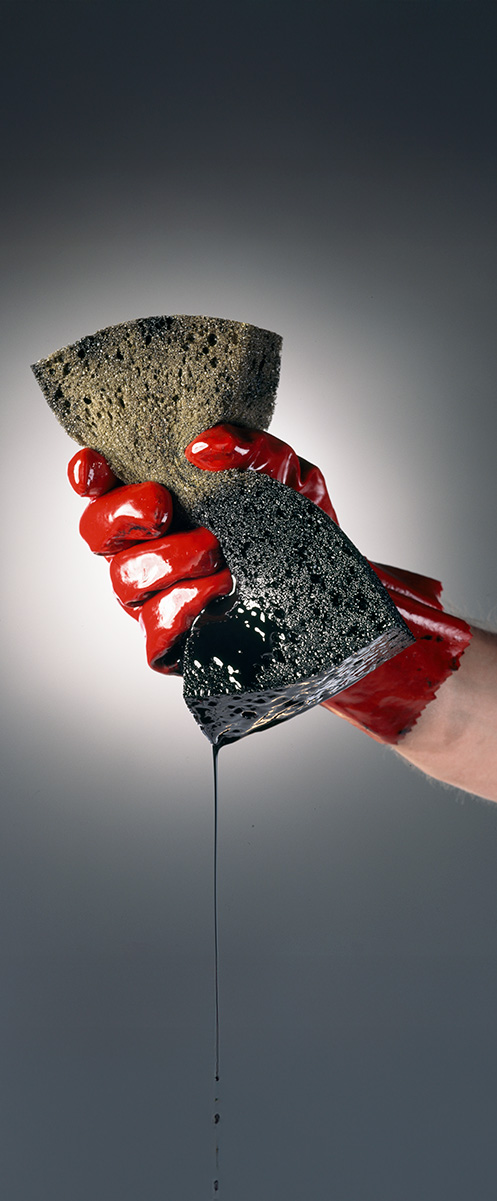
More oil and gas
01/01/2000In 2001, the Tampen area was described as one of the richest oil and gas provinces on the Norwegian continental shelf. Efforts to extract as much oil and gas as possible continued through the development of surrounding fields. Not all of these developments are mentioned below.
Accidents and aging
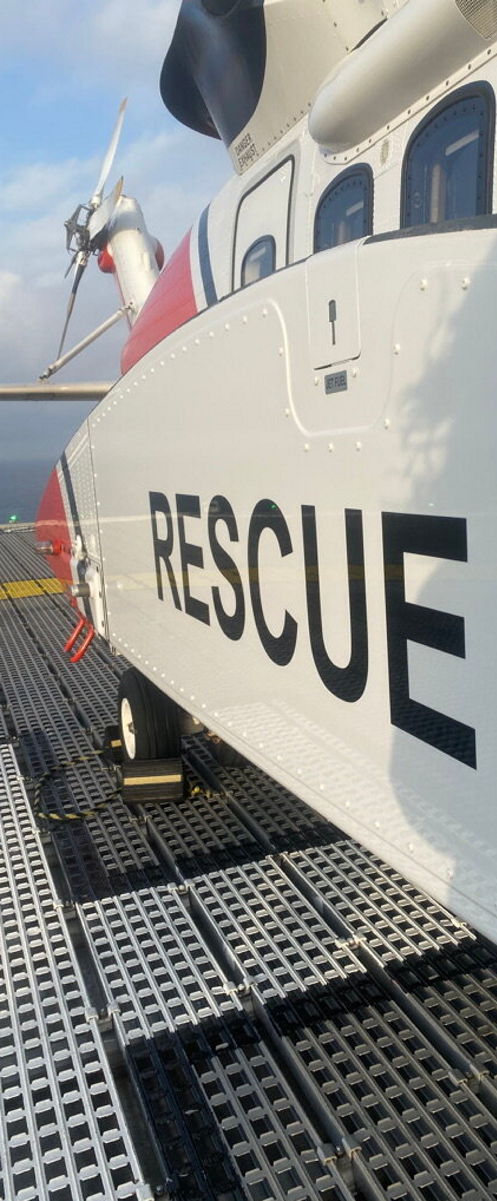
01/01/2010Accidents and near-misses during this decade served as an important reminder that safety can never be taken for granted. After around 30 years of production, the platforms have aged to the point that some equipment must be retired.
At the end?
01/01/2020How long can the platforms continue producing? Will they soon become part of history and the world heritage? The development of wind power, the use of drones, and continued drilling show that production will continue for some time. As of 2026, the field has at least ten years remaining.