
Drilling technology became Norwegian

Among those who took the plunge were Bjarne Skeie and Harald Vetnes, who in 1982 founded Norwegian Rig Consultants (NRC). Their goal was to offer oil companies and rig owners assistance in designing drilling facilities, both for fixed and floating platforms.
Bjarne Skeie already had experience in the industry through the company Maritime Hydraulics, which he had started to design and produce cranes. Over time, Maritime Hydraulics also took on assignments related to the construction of derricks.
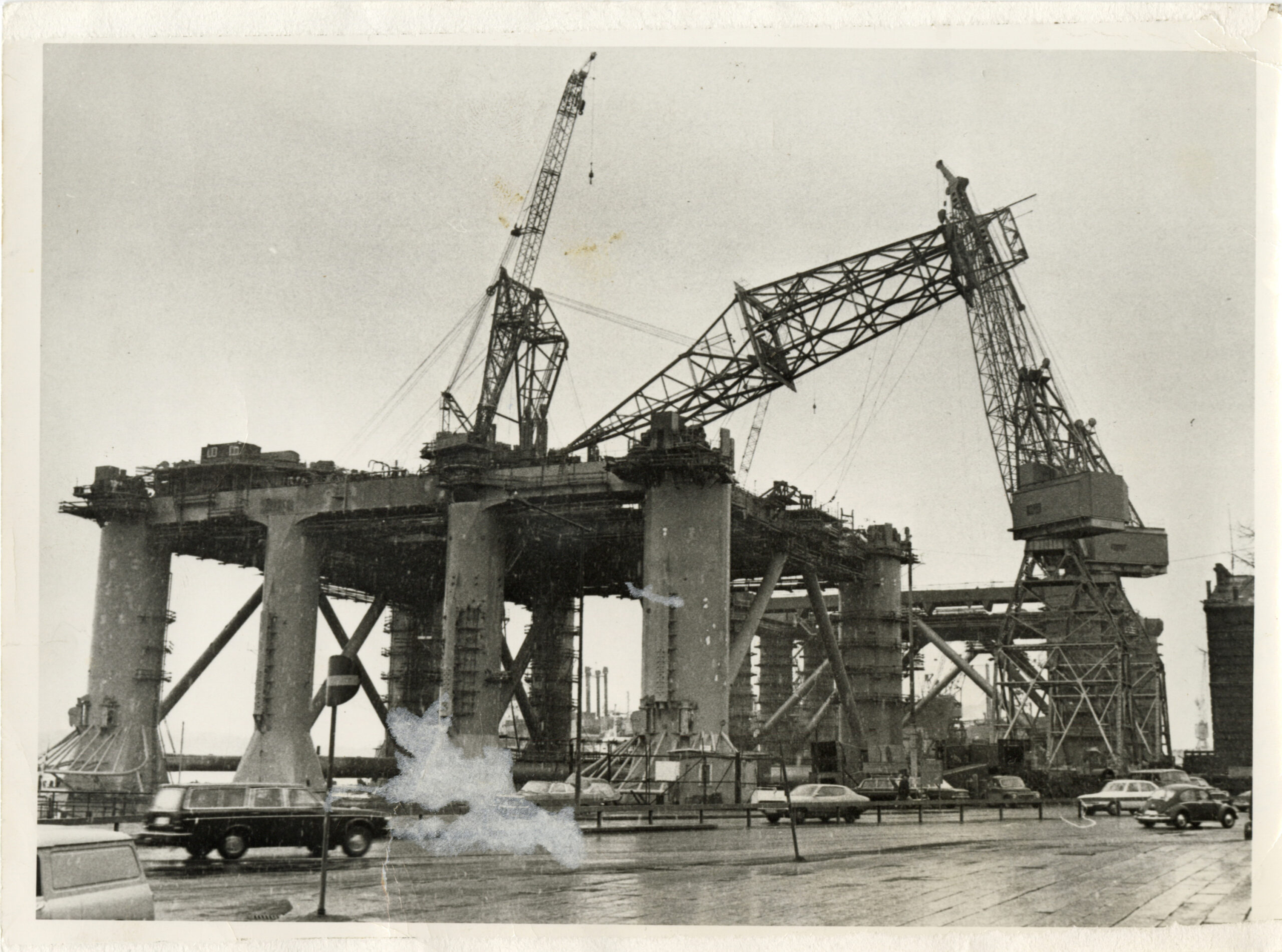
The management of the Gullfaks A project wanted to develop Norwegian expertise in an area that had until then been dominated by foreign actors, and NRC was therefore awarded a contract to develop a concept for the drilling installations on Gullfaks A. This work laid the foundation for a larger design contract, and to ensure good coordination, an agreement was made between NRC and Aker Engineering/Foster Wheeler, which had overall responsibility for the design.
The project proved to be a demanding but educational task for NRC’s young engineers. The drilling facility was divided into three modules: D11 (power and process module), D21 (derrick and drill floor module), and D31 (pipe storage module). The actual design and fabrication were carried out by Norwegian suppliers such as Bergens Mekaniske Verksted (BMV), while the drilling equipment components still came from American manufacturers. Part of the detailed engineering for D11 was done at BMV.
Gullfaks A as a Springboard
Following the success of Gullfaks A, NRC received several more contracts, including for Gullfaks B and C. Maritime Hydraulics expanded its operations to include more advanced and automated drilling equipment, and began competing with the large American companies. An important innovation was viewing the derrick as an integrated part of a larger drilling machine, which required the development of new equipment such as hoisting systems, blocks, advanced pipe storage systems, “top drives,” and motion compensation equipment for drilling rigs.
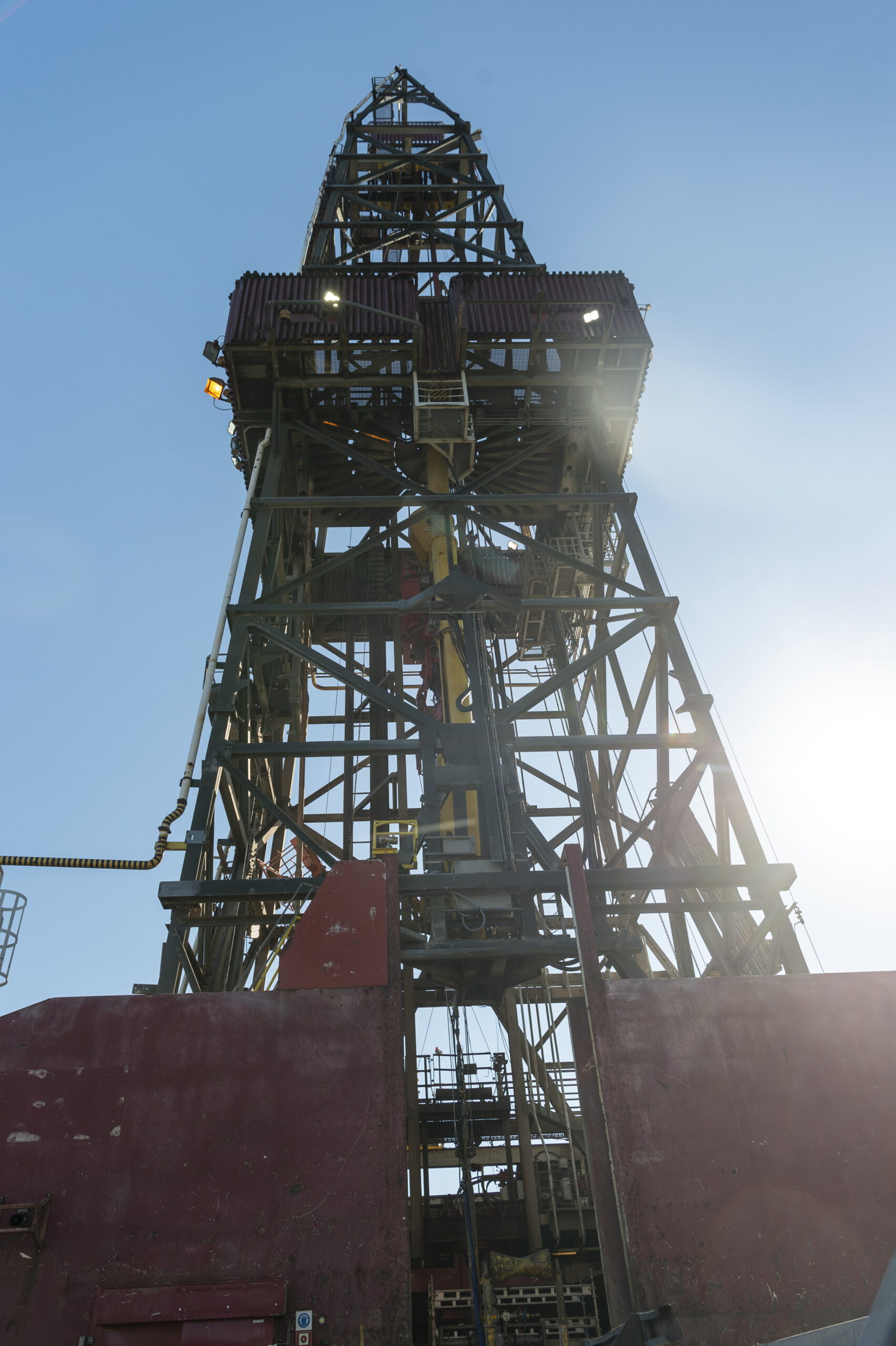
Eventually, Maritime Hydraulics and NRC merged into a single company, and with NRC’s project expertise and Maritime Hydraulics’ production experience, they could offer complete drilling facilities. Their strategy going forward was to grow through acquisitions and mergers with companies that complemented their expertise. This enabled them to deliver complete drilling facilities for all types of modern platforms, including floating and jack-up rigs. The company eventually became a world leader in total deliveries for offshore drilling rigs – a development that began with the collaboration with Statoil on Gullfaks A.
The article is based on Helge Hatlestad (2021), Femti år med oljeproduksjon. Min historie. [Helge Hatlestad].